Through ion exchange, impregnation, or other modification methods, the sodium ions can be replaced by protons or various metal ions to produce catalysts such as H-ZSM-5, Cu-ZSM-5, Fe-ZSM-5, Zn-ZSM-5, and other metal-modified ZSM-5 materials. As a result, Na-ZSM-5 is widely regarded as the starting material and structural platform for the entire family of ZSM-5 zeolite catalysts.
The major advantages of Na-ZSM-5 zeolite, is its highly stable and well-defined framework structure. The MFI topology provides excellent thermal stability, hydrothermal resistance, and mechanical strength, allowing the material to maintain its crystallinity and pore architecture under demanding industrial operating conditions. Na-ZSM-5 exhibits uniform micropores with an effective pore size of approximately 0.54 × 0.56 nm, enabling shape-selective adsorption and molecular sieving effects.
NA-ZSM-5 zeolite catalyst has significantly lower acidity, but excellent ion-exchange capability. It an ideal intermediate material for tailoring catalytic performance, acidity, redox properties, and selectivity according to specific industrial requirements. And NA-ZSM-5 is widely used as a precursor and carrier material in the petrochemical, refining, environmental protection, and fine chemical industries.
Technical Specification
| Type |
NA-ZSM-5 |
| Apprearance |
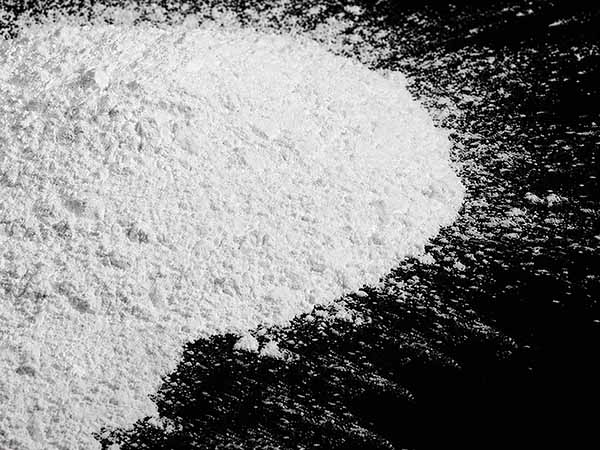
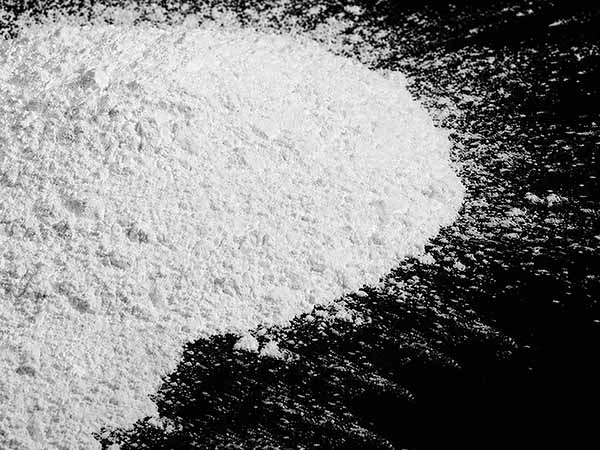
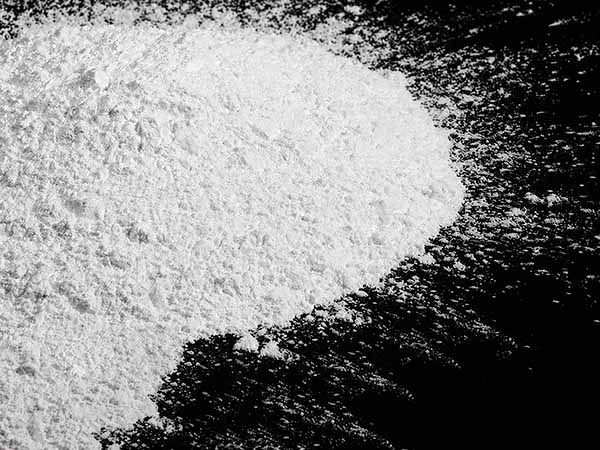
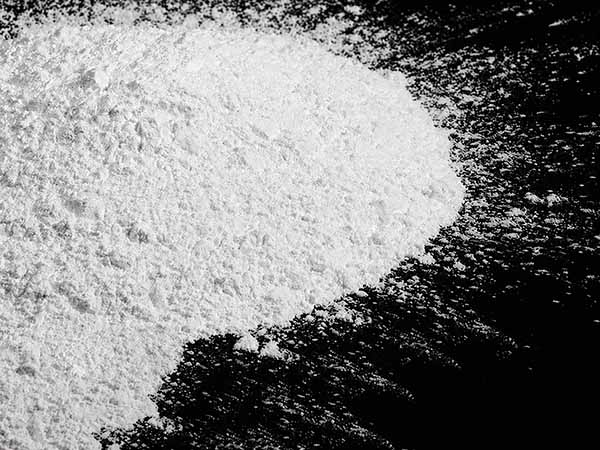
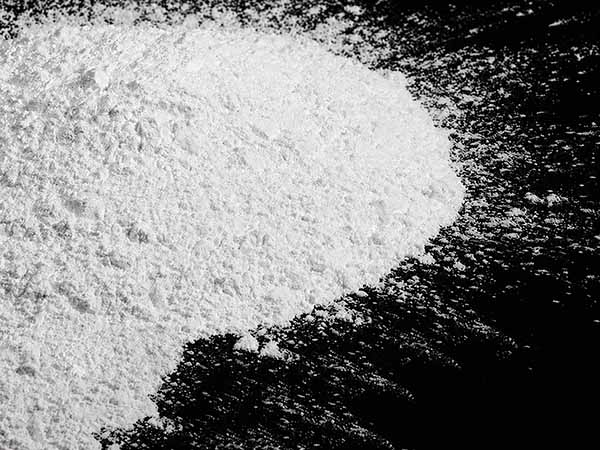
White powder |
| Crystal Structure |
MFI |
| Crystal Size(μm) |
2~6 |
| BET Surface Area(㎡/g) |
>380 |
| SiO2/Al2O3(mol/mol) |
30~300 |
| Na2O(wt%) |
<0.1 |
| Crystallinity(%) |
>95 |
| Loss on ignition(wt%) |
<11 |
Application
* ZSM-5 Catalyst Precursor