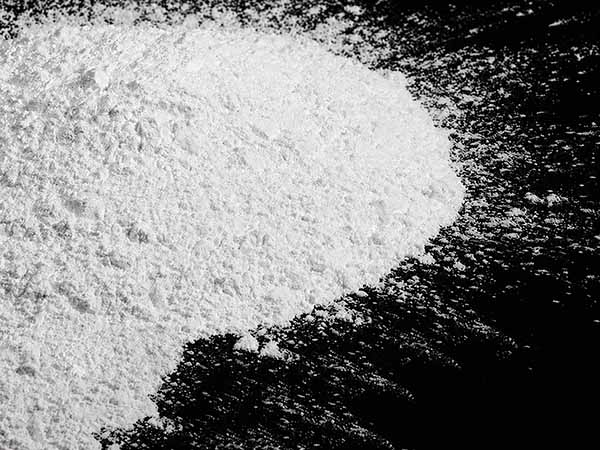
Acidic centers are the primary source of catalytic activity for H-ZSM-5 zeolite. Numerous acid-catalyzed reactions, including cracking, isomerization, alkylation, aromatization, and dehydration, rely on the unique properties of H-ZSM-5 zeolite. The acidity of H-ZSM-5 originates primarily from Brønsted acid sites, which are highly effective in promoting hydrocarbon transformation reactions.
In addition, H-ZSM-5 zeolite catalyst contains Lewis acid sites generated by framework defects or extra-framework aluminum species. These Lewis acid centers can participate in auxiliary catalytic pathways and often work synergistically with Brønsted acid sites to enhance overall reaction efficiency. By adjusting the silica-to-alumina ratio, the density and strength of acid sites can be tailored to meet the requirements of different catalytic processes.
H-ZSM-5 also exhibits excellent hydrothermal stability, and outstanding resistance to coke formation and catalyst deactivation. The combination of strong acidity, shape-selective catalysis, high thermal stability, and excellent anti-coking performance has established H-ZSM-5 as one of the most versatile and widely used zeolite catalysts in the refining, petrochemical, and fine chemical industries.
Technical Specification
| Type |
H-ZSM-5 |
| Apprearance |
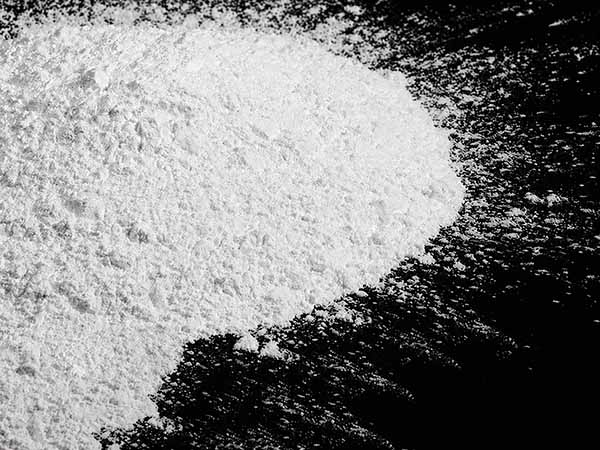
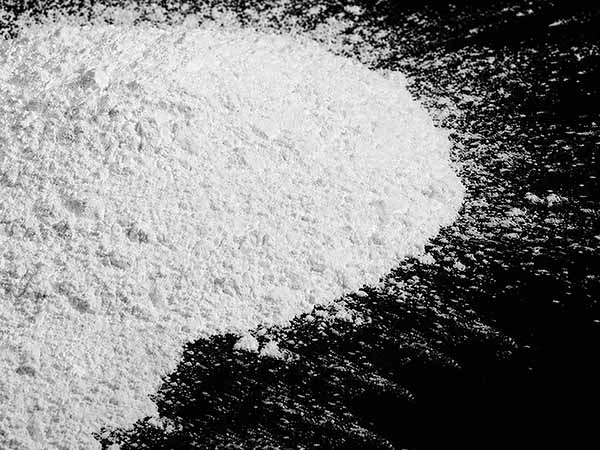
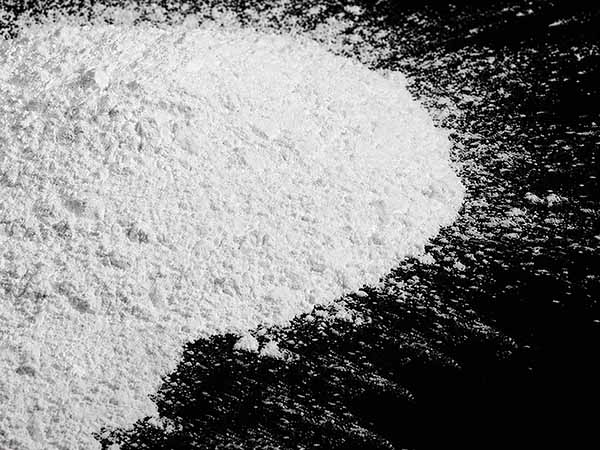
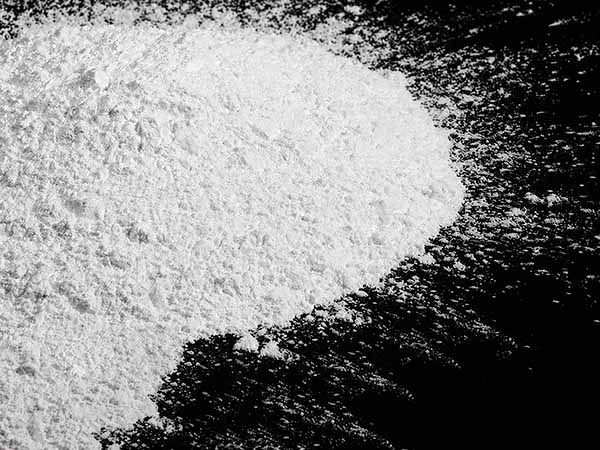
White powder |
| Crystal Structure |
MFI |
| Crystal Size(μm) |
2~6 |
| BET Surface Area(㎡/g) |
>380 |
| SiO2/Al2O3(mol/mol) |
20~∞ |
| Na2O(wt%) |
<0.1 |
| Crystallinity(%) |
>95 |
| Loss on ignition(wt%) |
<11 |
Application
* Petrochemical FCC
* Methanol Conversion Technologies