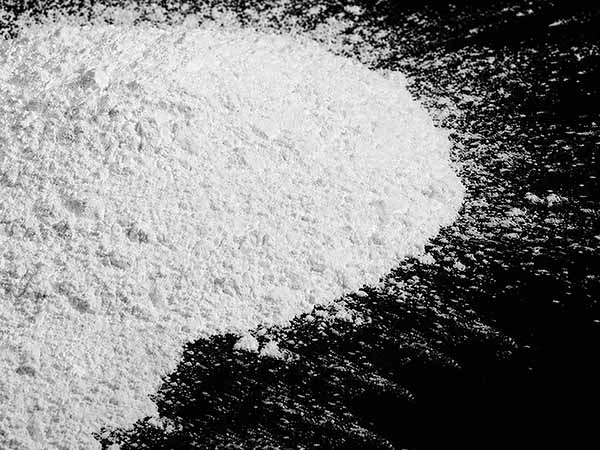
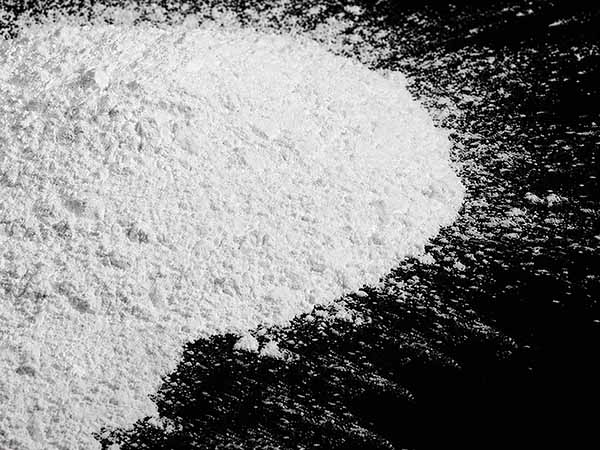
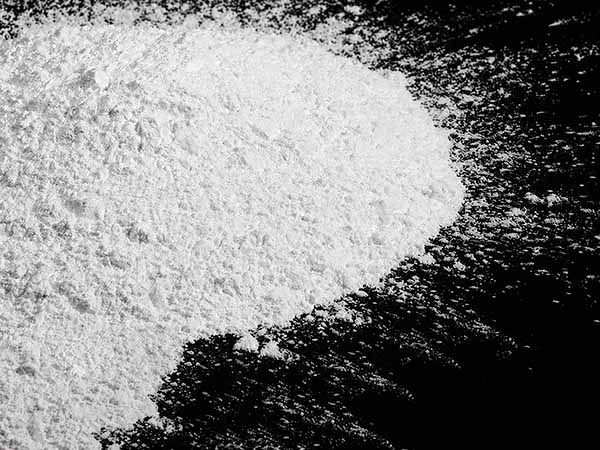
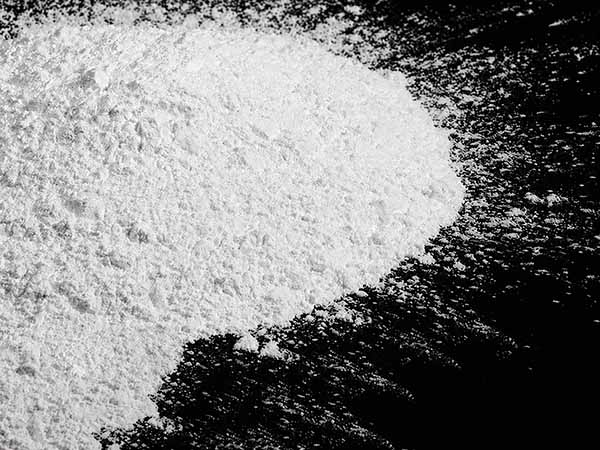
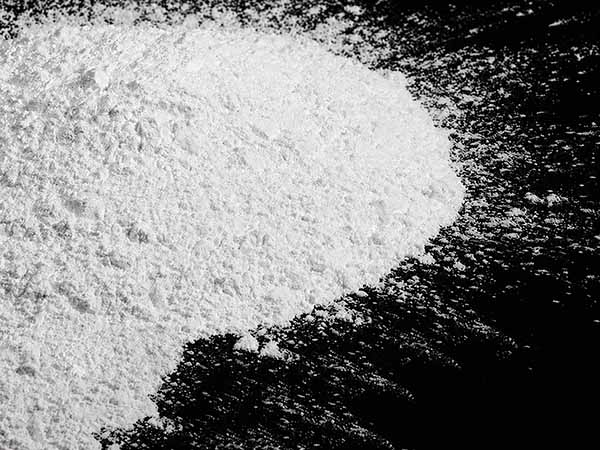
The catalytic performance of FE-ZSM-5 originates from the synergistic interaction between the acidic sites of the ZSM-5 framework and the redox-active iron species. The introduction of iron significantly enhances oxidation-reduction capabilities while maintaining the molecular sieve’s intrinsic acidity.
FE-ZSM-5 zeolite possesses a ten-membered ring pore structure consisting of straight channels with pore dimensions of approximately 0.53 nm × 0.56 nm and sinusoidal channels measuring 0.51 nm × 0.55 nm. The interconnected channel system provides efficient diffusion pathways for reactant and product molecules while restricting the formation of bulky by-products.
FE-ZSM-5 catalyst’s iron species exhibit greater resistance to sintering and deactivation under severe reaction conditions. Therefore, the most significant advantages of FE-ZSM-5 is its outstanding thermal stability. FE-ZSM-5 zeolite can maintain high catalytic activity and structural integrity even after prolonged exposure to elevated temperatures exceeding 600°C, making it highly suitable for industrial high-temperature processes.
Technical Specification
| Type |
FE-ZSM-5 |
| Apprearance |
Light red powder |
| Crystal Structure |
MFI |
| Crystal Size(μm) |
2~6 |
| BET Surface Area(㎡/g) |
>380 |
| SiO2/Al2O3(mol/mol) |
20~80 |
| Na2O(wt%) |
<0.1 |
| Crystallinity(%) |
>95 |
| Loss on ignition(wt%) |
<11 |
Application
* NH3-SCR Denitrification
* N2O Decomposition
* NOx High-temperature Reduction