Molecular sieves are core functional materials for industrial and medical oxygen generation. Their precise microporous structure enables selective adsorption of nitrogen molecules from air, efficiently separating high-purity oxygen to meet the requirements of medical services, industrial production and civilian use.
Oxygen Generation Technologies Based On Molecular Sieves
- PSA oxygen generation systems inject compressed air into molecular sieve beds. Molecular sieves trap nitrogen from the air under pressurization to concentrate and yield qualified oxygen. The system releases internal pressure afterward to desorb the accumulated nitrogen, regenerating molecular sieves to sustain repeated and stable cyclic operation.
- VPSA processes feed pressurized air into dedicated adsorption towers. Built-in molecular sieves selectively capture nitrogen molecules to produce high-purity concentrated oxygen. The system applies vacuum treatment subsequently to strip residual nitrogen from the sieves, renewing adsorbent activity and enabling continuous long-term operation.
- VSA technology introduces atmospheric or low-pressure air into adsorption towers. Molecular sieves inside the equipment preferentially adsorb nitrogen and output purified oxygen as the finished product. Subsequent vacuum processing removes adsorbed nitrogen residues, restoring the full adsorption capacity of molecular sieves for cyclic use.
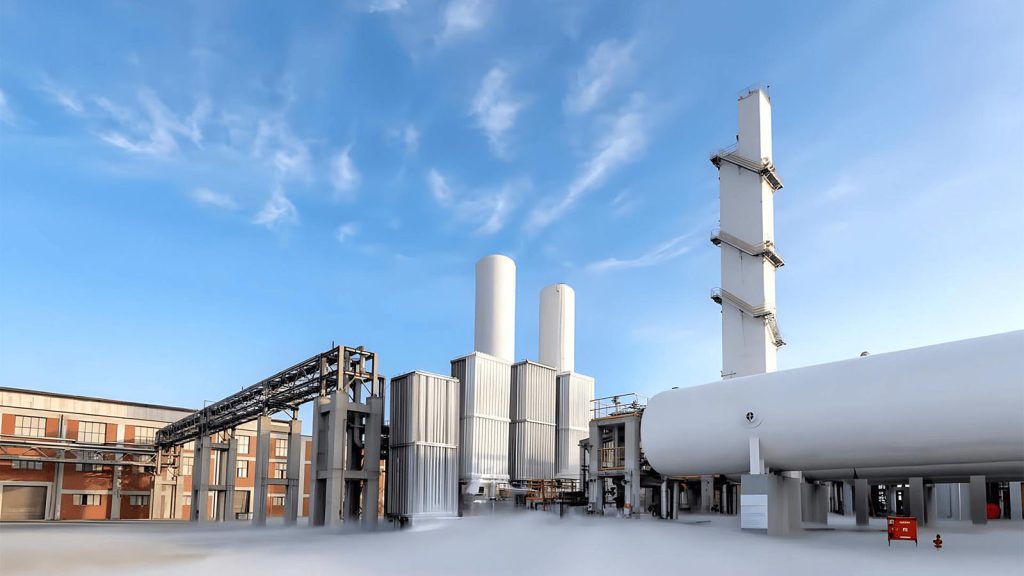
- Cryogenic air separation adopts air liquefaction and distillation to separate air components based on different boiling points. It makes low-boiling-point nitrogen vaporize preferentially while retaining oxygen in liquid state for targeted collection. Molecular sieves preprocess raw air to remove moisture and carbon dioxide, stabilizing product purity for formal air separation.
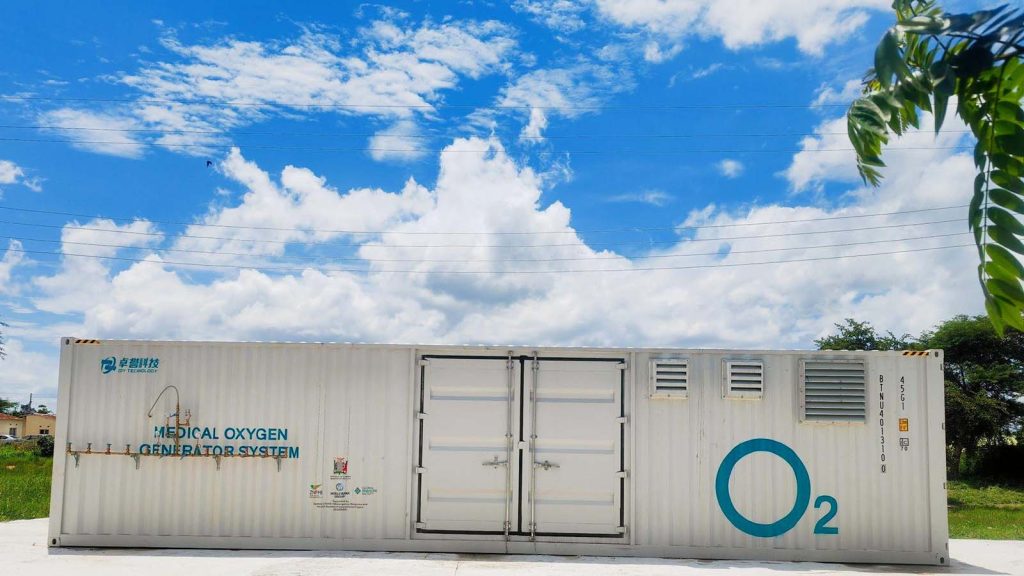
Application Scenarios Of Various Oxygen Generation Technologies
PSA is suitable for portable oxygen equipment, medical oxygen supply and small-to-medium industrial oxygen production, delivering oxygen with a purity of 90%–95%.
VPSA is dedicated to large-scale industrial oxygen generation, maintaining a stable oxygen concentration of over 93% during long-term operational cycles.
VSA applies to medium-scale continuous oxygen supply scenarios, including large hospitals, aquaculture and industrial boilers, with output oxygen purity ranging from 90% to 95%.
Cryogenic separation features excellent large-scale production capacity and delivers ultra-high-purity oxygen (≥99.6%), satisfying rigorous demands of high-end fields such as semiconductors and aerospace. It is widely utilized in steelmaking, chemical, electronic and metallurgical industries.
Molecular Sieve Types For Oxygen Generators
5A Molecular Sieve: This material adsorbs small molecules including nitrogen and carbon dioxide with low oxygen adsorption capacity. It was extensively adopted as the core adsorbent in early PSA oxygen generation systems.
13X Molecular Sieve: It serves for air pretreatment rather than the core nitrogen-oxygen separation process. With high adsorption capacity, it effectively removes moisture, carbon dioxide, sulfides and other impurities from raw air in oxygen generation systems.
LiX Molecular Sieve: As a modified derivative of 13X molecular sieves, LiX sieves exhibit superior nitrogen selectivity and faster adsorption-desorption kinetics. Currently, it is the high-performance core adsorbent for advanced commercial oxygen generation processes.