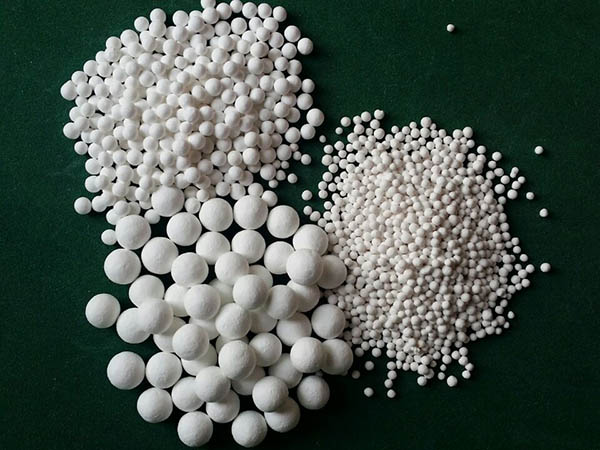
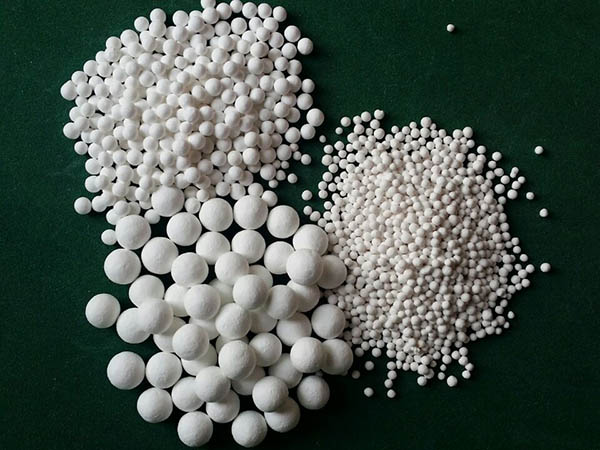
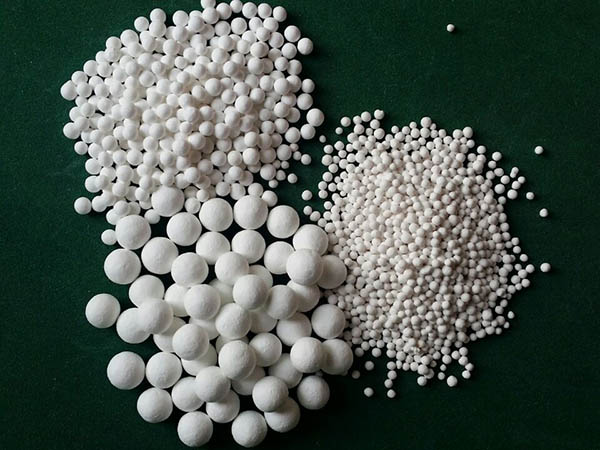
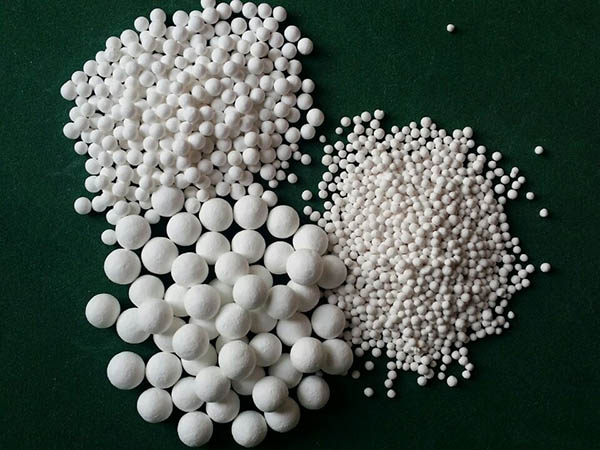
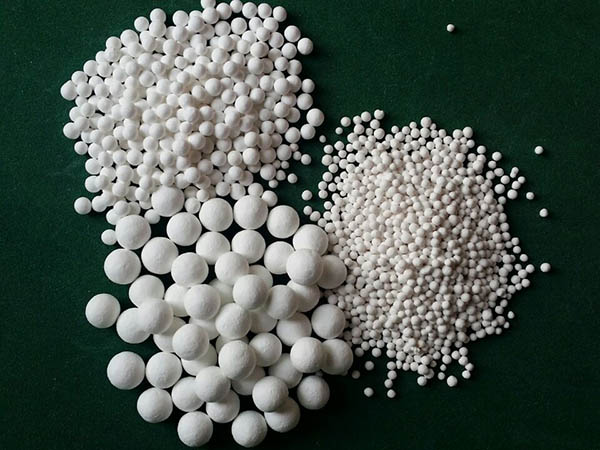
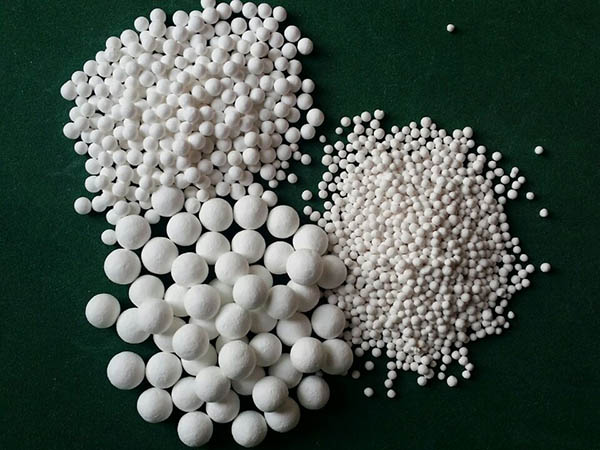
Activated alumina possesses a unique combination of high specific surface area, well-developed pore structure, excellent thermal stability, superior mechanical strength, and adjustable surface chemistry. These properties enable active catalytic components to be uniformly dispersed and firmly anchored on the support surface, thereby maximizing catalyst activity, selectivity, and operational lifetime.
Alumina catalyst carriers can be tailored according to the requirements of different catalytic reactions. The crystalline phase of alumina can be precisely controlled, including alumina trihydrate, alumina monohydrate, χ-alumina, ρ-alumina, γ-alumina, η-alumina, θ-alumina, and α-alumina. Among these, γ-alumina is the most widely used catalyst support due to its high surface area and abundant active anchoring sites, while α-alumina is preferred for applications requiring exceptional thermal and mechanical stability.
In petroleum refining, activated alumina serve as supports for HDS, HDN, hydrocracking, and catalytic reforming catalysts. In the petrochemical industry, they are used in hydrogenation, dehydrogenation, oxidation, epoxidation, alkylation, and selective hydrogenation catalysts. In environmental applications, alumina-supported catalysts play critical roles in automotive exhaust treatment, SCR of nitrogen oxides, VOC oxidation, and industrial flue gas purification.
Technical Specification
| Crystal Type |
X, ρ, γ, α |
| Chemical Formula |
Al2O3·nH2O |
| Diameter(mm) |
4-6 |
3-5 |
1.5-3 |
1-3 |
| Bulk Density(g/ml) |
≥0.7 |
≥0.7 |
≥0.7 |
≥0.7 |
| Crush Strength(N) |
≥150 |
≥120 |
≥50 |
≥50 |
| Surface Area(m2/g) |
≥300 |
≥300 |
≥300 |
≥300 |
| Pore Volume(cm3/g) |
≥0.38 |
≥0.38 |
≥0.38 |
≥0.38 |
| Wear Ratio(%) |
≤0.60 |
≤0.60 |
≤0.60 |
≤0.60 |
Application
* Industrial Catalyst Support Material